News
Iran Denies Withdrawal from 2026 Venice Biennale
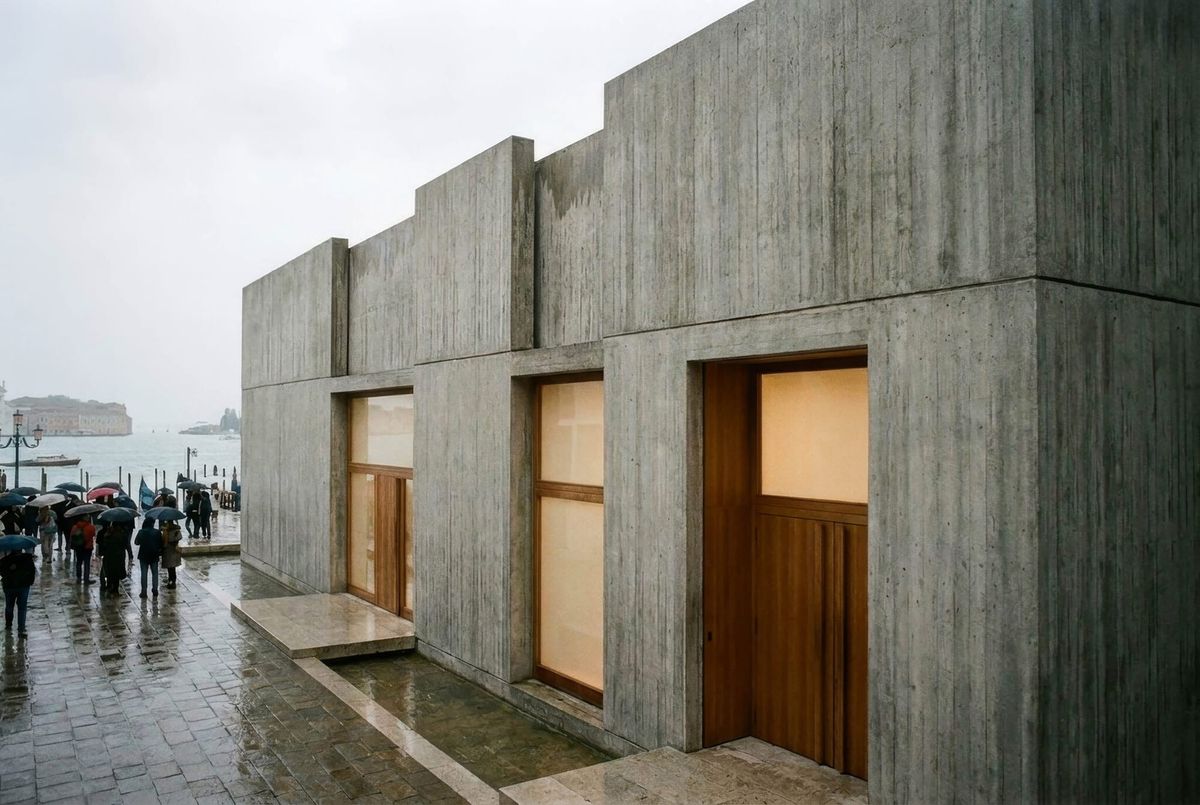
On May 12, Iran reaffirmed its intent to participate in the Venice Biennale, contradicting the Biennale Foundation’s May 4 announcement that the country had withdrawn from this year’s edition.
In comments to the Iranian Students’ News Agency, subsequently reported by The Art Newspaper, Aydin Mahdizadeh Tehrani—commissioner of the Iranian pavilion and director general of visual arts at Iran’s Ministry of Culture and Islamic Guidance (MCIG)—stated that the country had “neither submitted a withdrawal letter nor stated that [it] would not attend,” but had in fact requested more time to prepare.
MCIG followed up with a formal letter to organizers on May 10, a day after the Biennale’s official opening, writing that “despite the opening having taken place and even if participation in the competition is no longer possible, we still insist that the Iranian pavilion be opened.” Speaking with The Art Newspaper, Tehrani said that he expects a response in the forthcoming days: “Our mindset and plan is to definitely be in Venice this summer.”
Tehrani added that Iran’s foreign ministry has intervened, explicitly emphasizing the importance of the country’s participation this year. He attributed the delay to war-driven uncertainty, infrastructure shortfalls, and a currency depreciation that tripled projected costs. An earlier proposal to shorten Iran’s participation to two or three months, he noted, had been rejected by the Biennale.
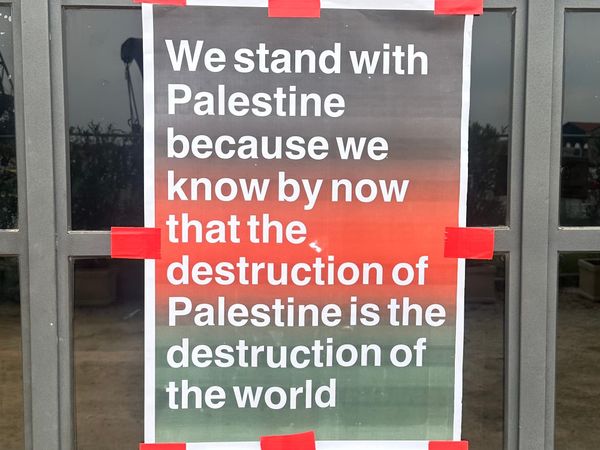
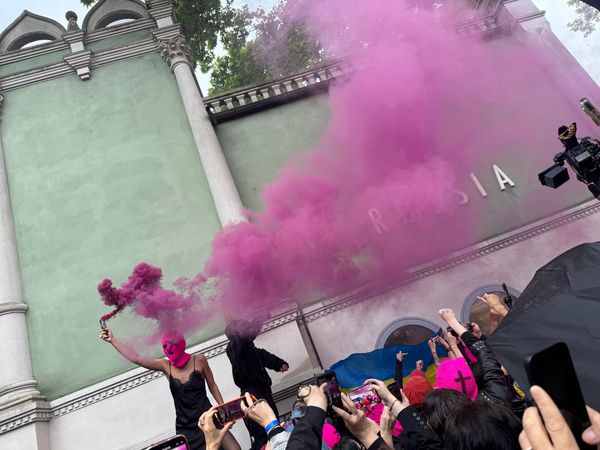
These developments come amid an already fraught political climate in Venice, where controversies surrounding the Israeli and Russian pavilions have prompted strikes and protests.
Details of the planned exhibition remain sparse. Meanwhile, an independent initiative facilitated by the Finland-based arts nonprofit Perpetuum Mobile on behalf of Iranian artists and curators at risk has announced the opening of the Hyperstitional Pavilion of Iran. The presentation, “Hulul: On Incarnation and Incantation,” curated by Pouya Jafari and Nazli Jan Parvar, proposes, in the organizers’ words, “a space in which Iran’s multiplicities, historical, imagined, and dispersed, coexist and recombine.” The exhibition has not been officially acknowledged by Iran and does not appear on the Biennale’s website.
Emmanuelle Richter is an editorial intern at ArtAsiaPacific.