Issue
Tokyo: “After the Landscape Theory”
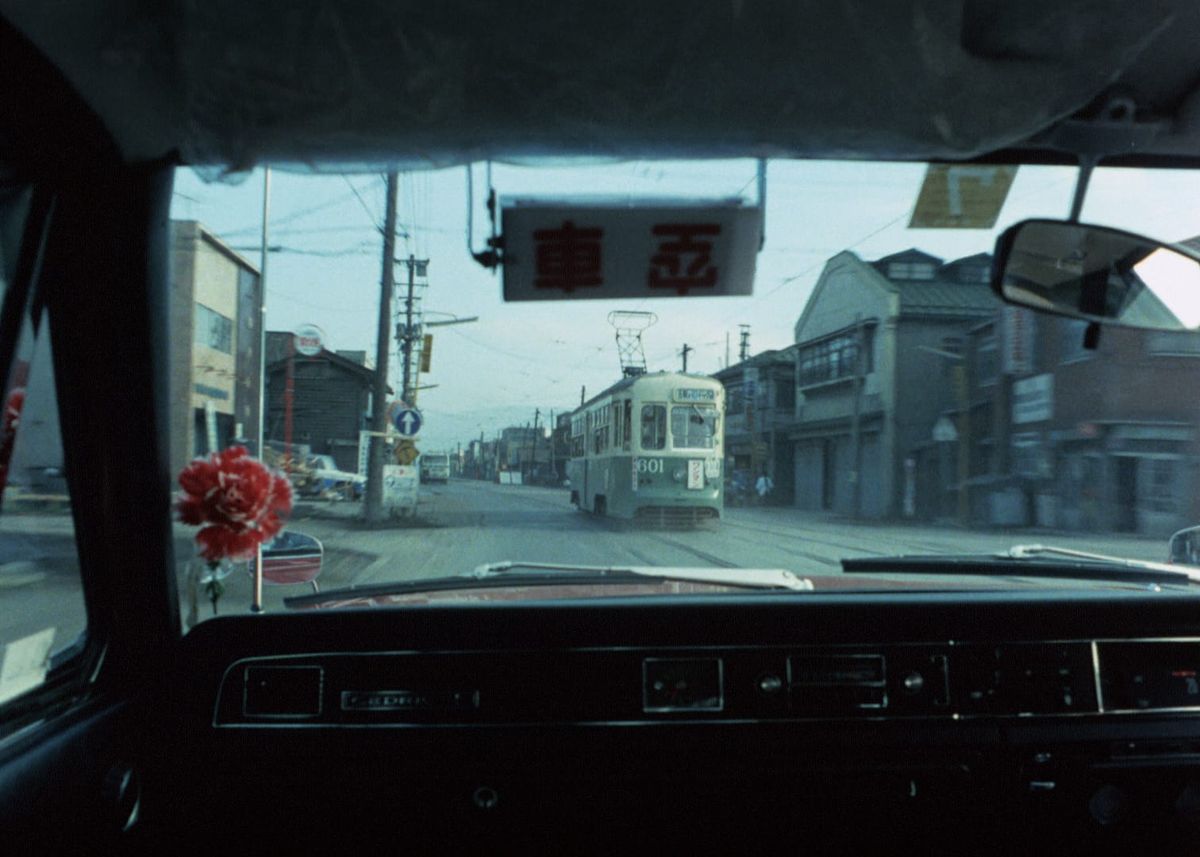
After the Landscape Theory
Tokyo Photographic Art Museum
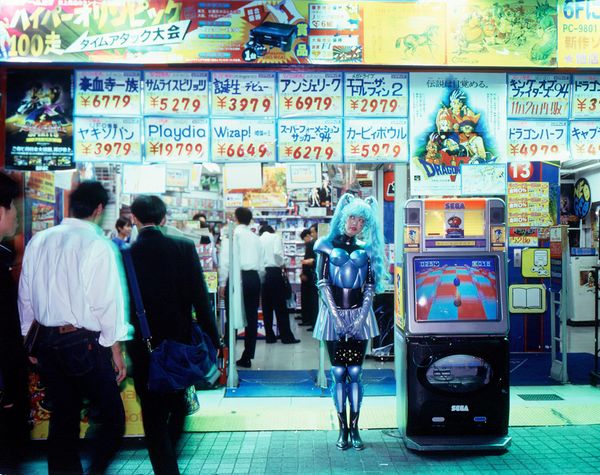
“Landscape theory” (fukeiron), as theorized in 1969 by film critic and anarchist Matsuda Masao, states that the landscape of modern Japan is banal in its sameness and that this homogeneity is a product of the state’s authoritarian structure. The center reproduces itself in the periphery to the point that any dichotomy is flattened; there is no more hometown, only a longing to understand the nation’s hometown: Tokyo.
“After the Landscape Theory,” a group exhibition exploring the seminal theory’s influence, started with works from the present day before gradually moving back in time. With this reverse chronological order, the exhibition drew viewers from the contemporary omnipresence and ubiquity of the camera into spaces of slower viewing in order to understand the concerns of the 1960s, a time of student movements and political demonstrations in Japan.