Issue
Sacred Spaces of Solidarity

Progress is created through unity, but unity requires space to develop.
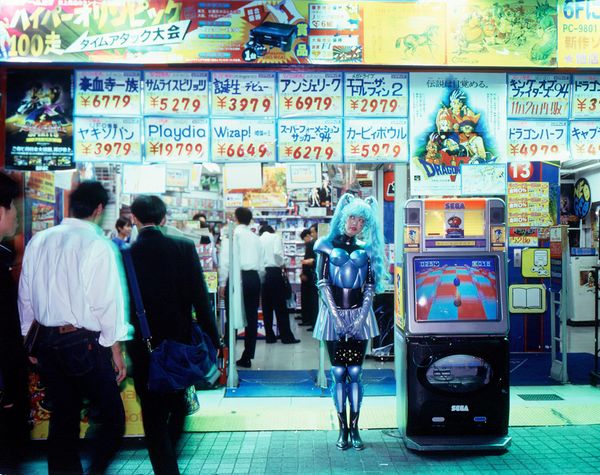
Japan has a long history of LGBTQ+ visibility, with the documentation of homosexuality dating back several centuries. Personalities such as Maki Carrousel, a transgender woman active in the media since the late 1960s; Akihiro Miwa, whose gender identity has fluctuated since their debut in Shuji Terayama’s films; and Matsuko Deluxe, a crossdressing gay man who has become one of the most popular TV hosts of Japanese television, are a testament to this representation. Yet, queer people’s acceptance in the media contrasts sharply with government policies, as Japan remains the only G7 country to deny marriage licenses to homosexual couples.
This is in spite of public opinion—according to a poll from 2023, over 60 percent of the population is in favor of legalizing same-sex marriage, and in an online survey from 2019, one in 11 Japanese people identified themselves as non-heterosexual. Governmental intolerance was compounded further in 2021, when the Liberal Democratic Party amended a proposed anti-discrimination law, rendering its application virtually ineffective, and the institutional discrimination faced by LGBTQ+ people virtually unchanged.