Issue
Singapore: Hopeful Interruptions: Interview with Shubigi Rao
What are your reflections on the curatorial process of Kochi-Muziris Biennale (2022–23), and what particular moments and artworks from the Biennale inspired you the most?
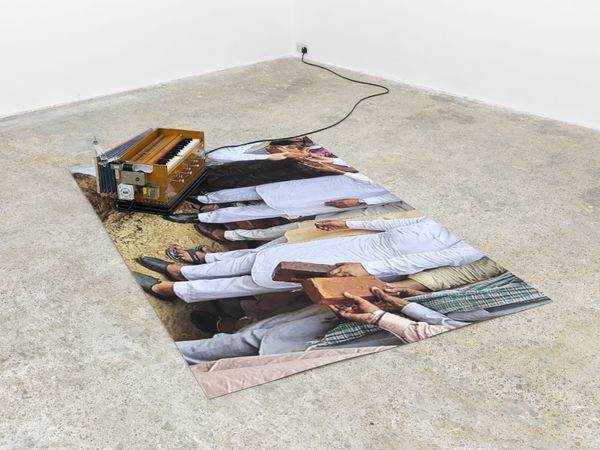
A biennale isn’t just a collection of artworks, but a sharing of an ethos, of ways to make and survive, even flourish, and of finding voices to amplify. Curating 90 artists means creating a community within that moment, and my conviction grew ever stronger that the most powerful way to create is by making a commons. It may be an overused word but still apt when examining where power resides with seemingly powerless people. And the other thing is satire—when you have no clout, the ability to mock the people who have authority over you is incredibly powerful. Originally the commons was not just an idea—it referred to site and place. The fact that it’s completely being co-opted globally, as public space is being privatized and gentrified, is very current whilst having historical precedence. That’s why when I say the biennale is about the commons, I think of it as the territory and the retaking of what was once public. A beautiful way to occupy was demonstrated in this edition of the Biennale, in the way song (whether voice, patterned sound, hum, nonverbal and sung) permeated the venues, from Martta Tuomaala’s anarchic, satirical protest rap to Gabrielle Goliath’s hum in Chorus, from the sonic curtain of Haegue Yang to the revolutionary anthem in Amol K. Patil’s installation and Uramili’s powerful film of songs of harvest, land, labor, community, and state. Sound and music here not only pierced the pandemic-induced solitariness, but effectively circumvented the barriers of geography, language, and nation, reaching you before you reached it. As a strategy of resistance by artists, it was compelling.