Issue
Proof of Personhood: The Promises and Perils of AI Art
In 1978 the late German artist Joseph Beuys argued in his essay “Appeal for an Alternative” that “the dignity of man stands and falls with the inviolability of the person, and whoever disregards this, steps down from the level of humanity.” Today, many of us feel helpless in the face of persistent war, conflict, and ecological time bombs, as well as the rise of an artificial intelligence that supercharges misinformation and threatens human livelihoods. All of these problems can be considered damaging to “the inviolability of the person,” but arguably none more so than AI, which has instilled a new and unique fear in humankind. The idea of individual agency or of self-preservation now appears increasingly quaint and feeble.
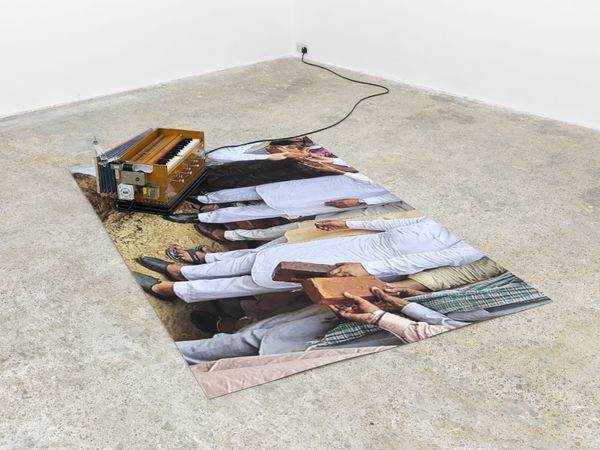
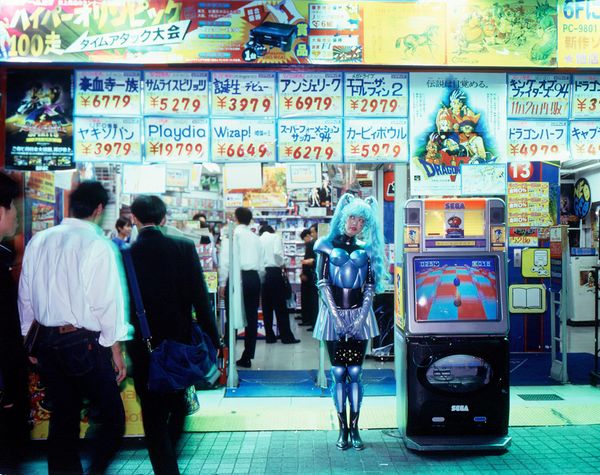
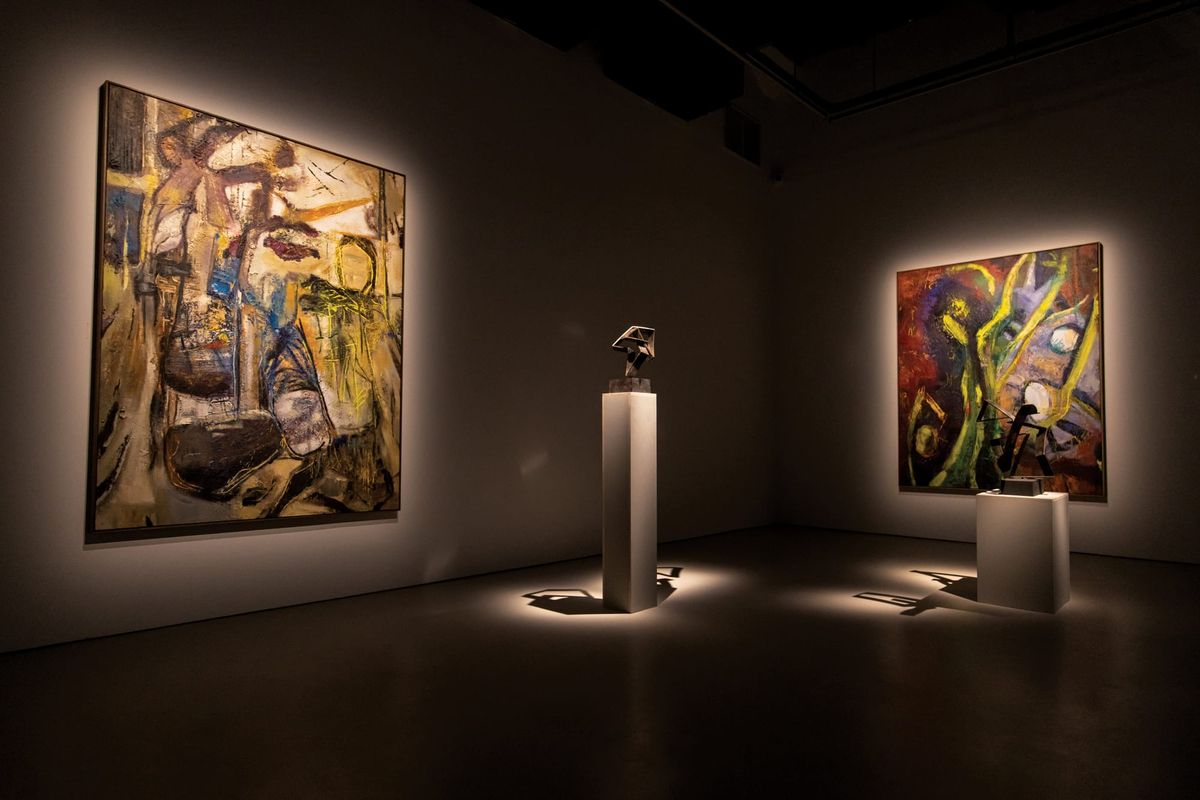
The question is, are these fears warranted? Do machines have minds, consciousness, and mental states in the same sense that human beings do? The exhibition “Proof of Personhood: Identity and Authenticity in the face of AI” at the Singapore Art Museum (SAM) revolved around these concerns, exploring the highly controversial prejudices, idiosyncrasies, and wonders of an “alien” intelligence. Curated by cultural critic Duncan Bass, the show brought together contemporary works of sculpture, film, installation, painting, and photography, inviting the audience to draw their own conclusions as they contemplated the new physiognomy of AI art and the idea of its inhumanity.