Issue
141 Previews: Situated Concerns
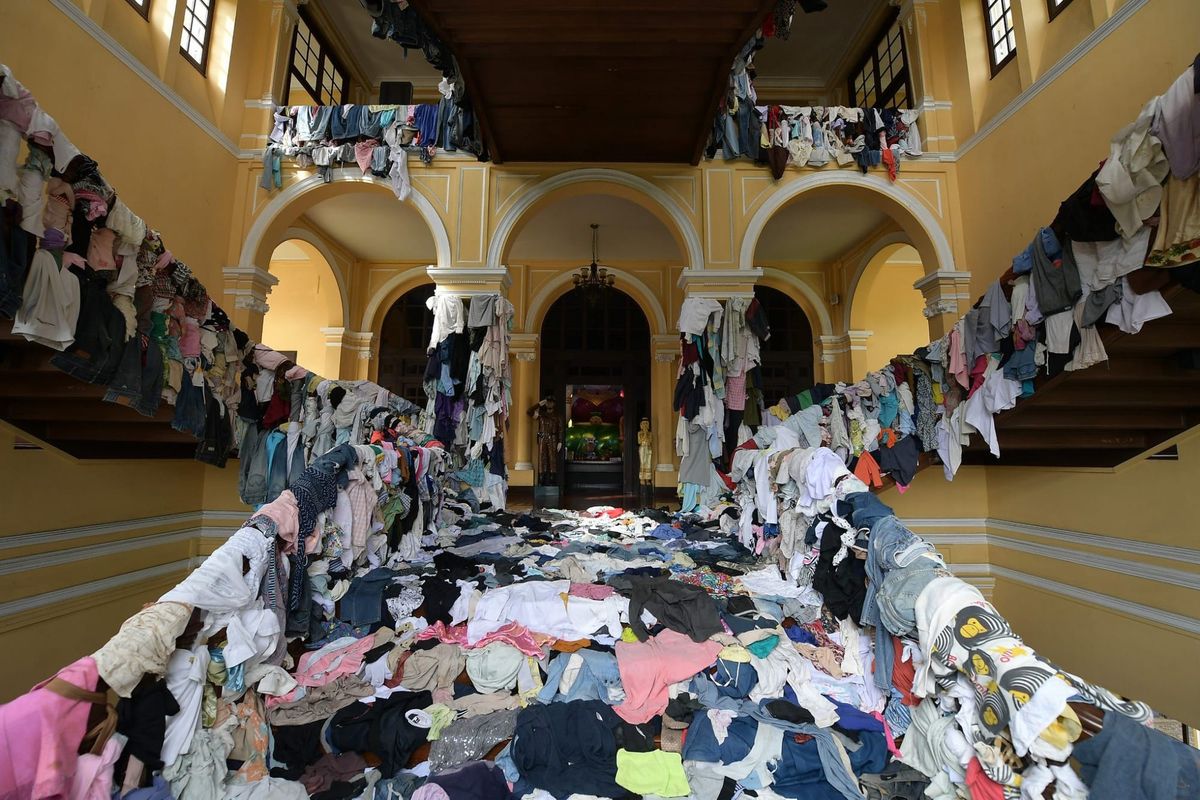
Bangkok Art Biennale
Nurture Gaia
Various locations, Bangkok
Oct 24–Feb 25, 2025
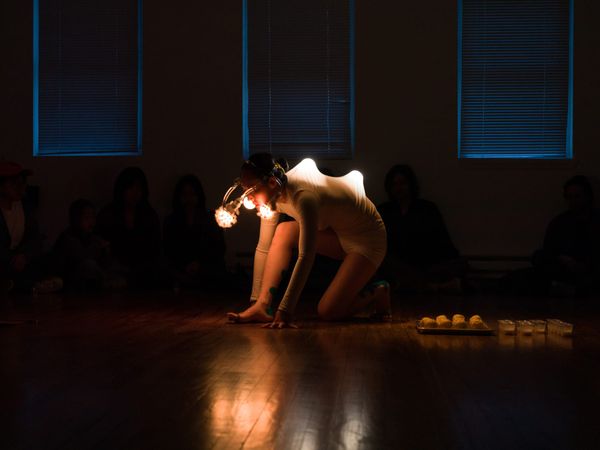
The fourth Bangkok Art Biennale, “Nurture Gaia,” references the Greek goddess of Earth, the giver and nurturer of life. Featuring 76 artists from 39 countries and territories, the Biennale explores ideas relating to anthropology, collectivism, ecology, feminism, and the politics of time and place. The artworks are installed across 11 citywide venues, including the Temple of the Reclining Buddha (Wat Pho), the Museum Siam, and multiple art spaces. Major projects include a performance and costume installation by Mella Jaarsma about disappearing Indonesian traditions, as well as new sculptures by Gimhongsok that address labor conditions.
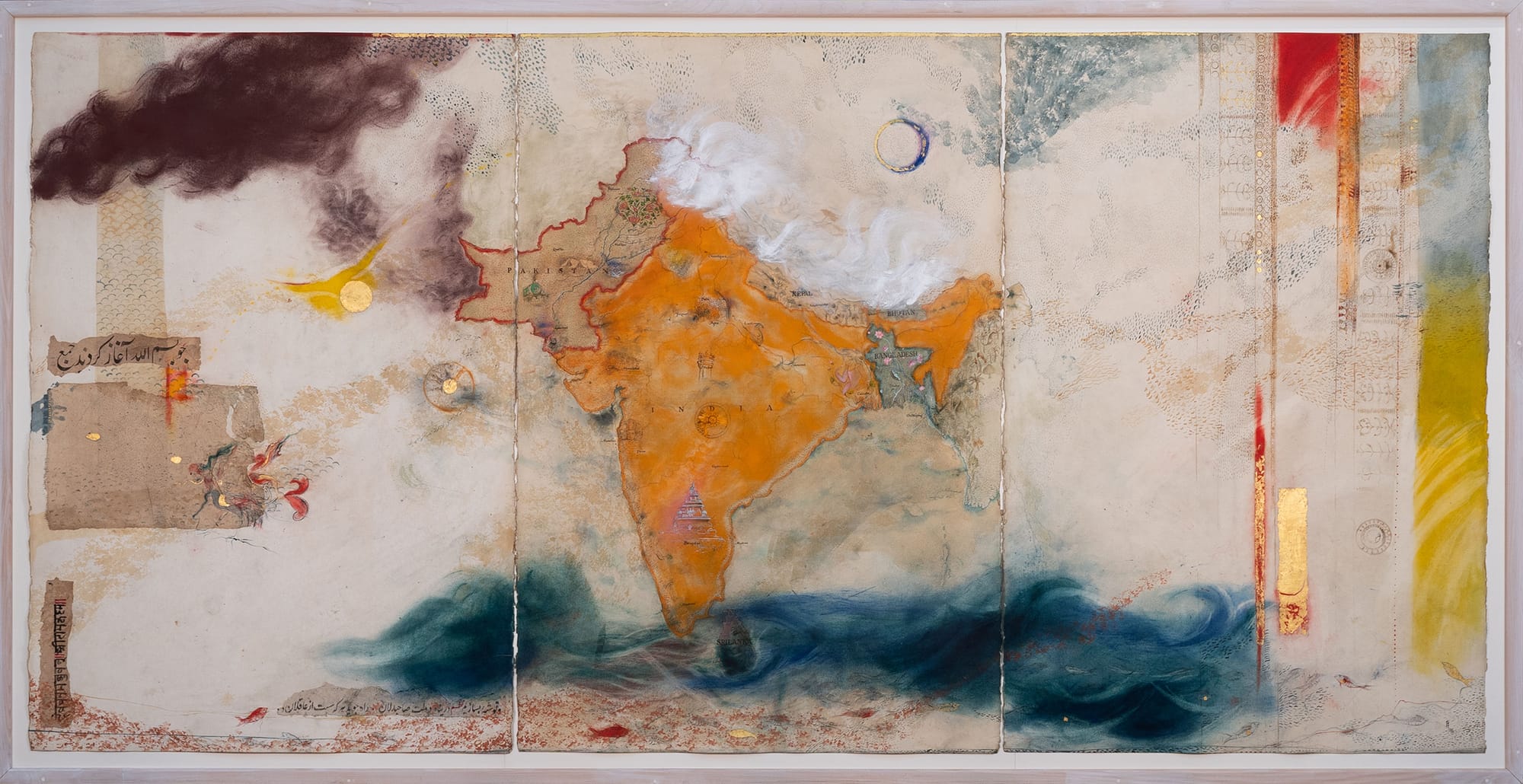
Manzar: Art and Architecture from Pakistan 1940s to Today
National Museum of Qatar, Doha
Nov 1–Jan 31, 2025
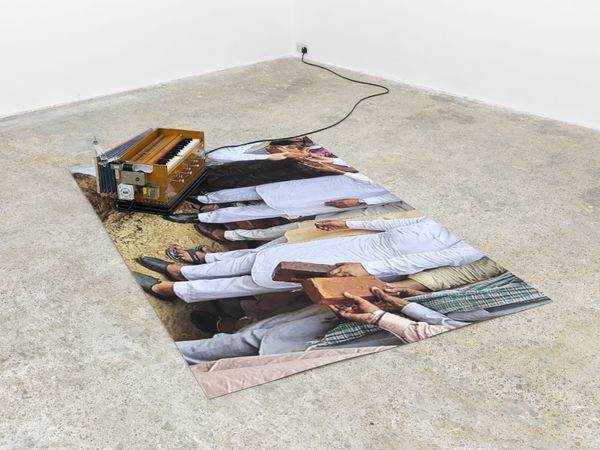
Qatar Museums hosts “Manzar,” a major survey of Pakistani art and architecture from the 1940s to the present day titled after an Urdu and Arabic word that translates to a scene, landscape, or perspective. Focusing on the connection between regional and diasporic artists across generations, the multidisciplinary exhibition spotlights major Lahore architects, such as Nayyar Ali Dada and Kamil Khan Mumtaz, and pioneering visual artists, including Salima Hashmi and the late Zahoor ul Akhlaq. Among 21st-century artists, Hamra Abbas reprises artisanal practices, while Naiza Khan reflects on Karachi’s unique history and Bani Abadi deconstructs national cultural mythologies.
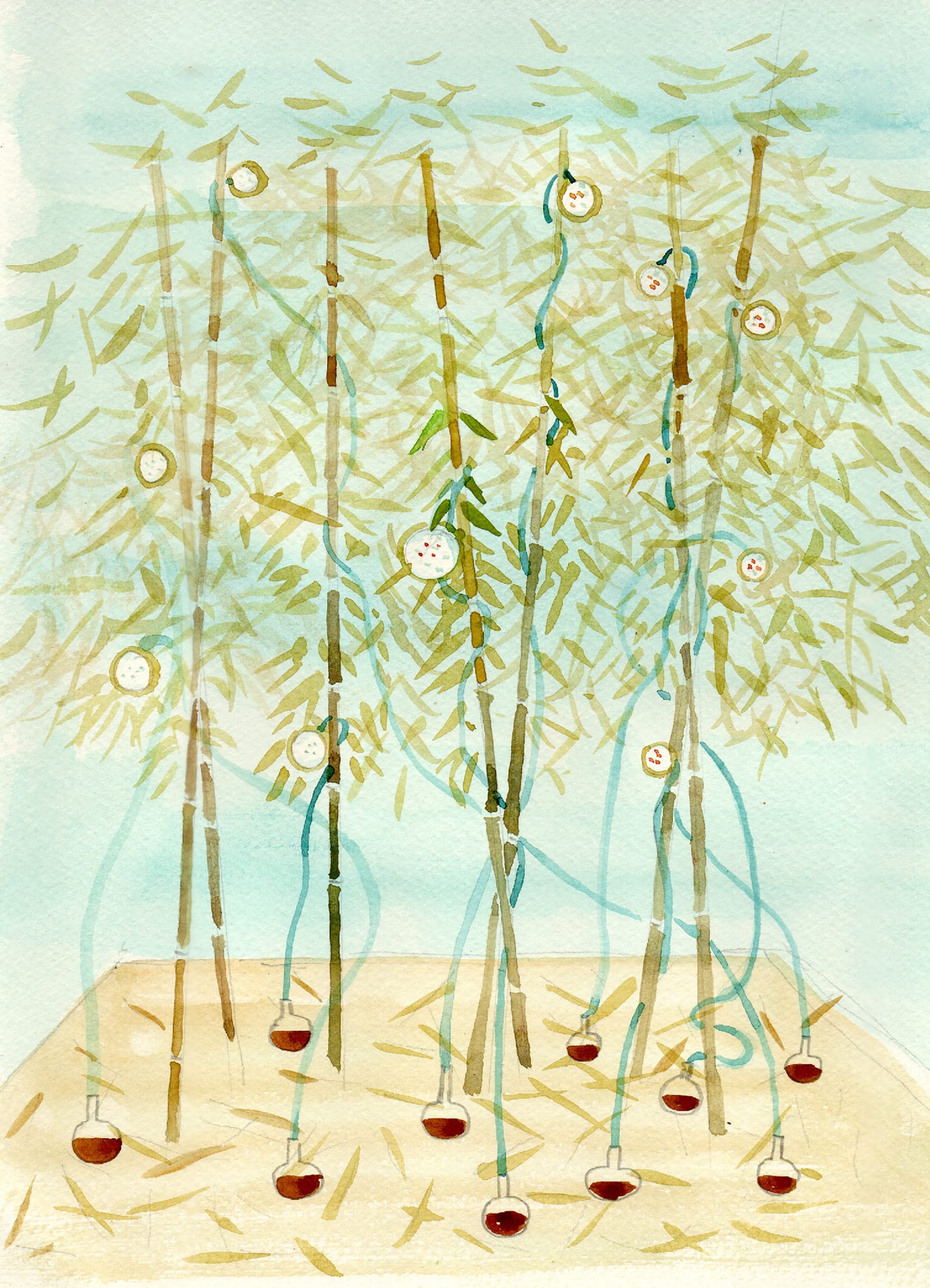
2024 Asian Art Biennial
How to Hold Your Breath
National Taiwan Museum of Fine Arts, Taichung
Nov 16–Feb 28, 2025
Subverting the phrase “don’t hold your breath,” which advises against having high expectations, the 2024 Asian Art Biennial offers a hopeful outlook. The Biennial, titled “How to Hold Your Breath,” is inspired by kumbhaka, a yogic breath-holding technique, and invokes mindfulness amid growing environmental anxieties and the regulation of rhythmic relationships between our bodies and nature. The ninth iteration features artists from over 20 countries across the Asia-Pacific region and diaspora, including Uzbek filmmaker Saodat Ismailova, Afro-Chinese interdisciplinary artist Tao Leigh Goffe, and Taiwanese mixed-media artist Wang Yu-Song, whose diverse cultural and historical perspectives explore modern political and economic systems in Asia.
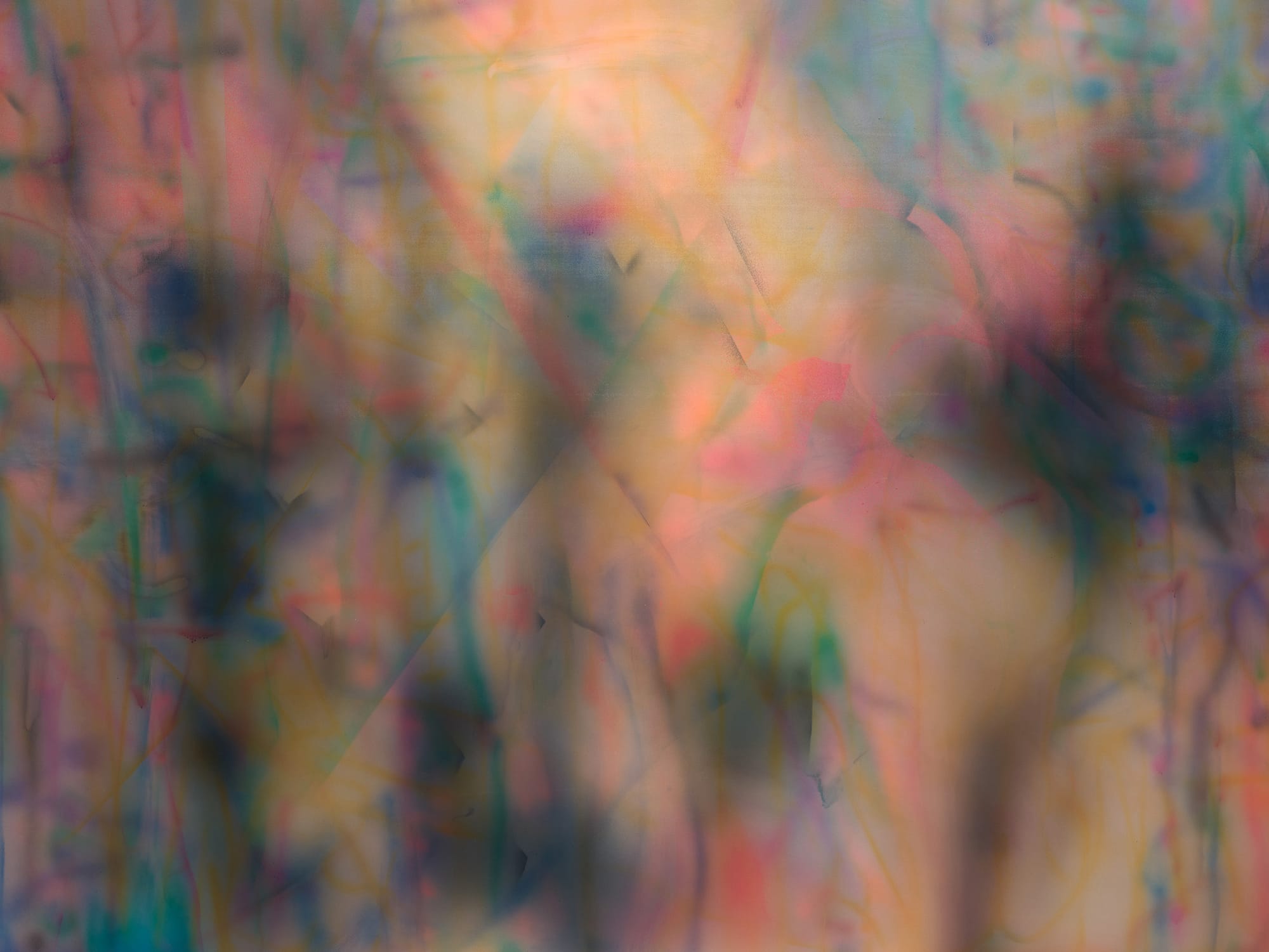
Julie Mehretu
A Transcore of the Radical Imaginatory
Museum of Contemporary Art Australia, Sydney
Nov 29–Apr 27, 2025
“A Transcore of the Radical Imaginatory” marks the first show in the Asia-Pacific region of Ethiopian American artist Julie Mehretu whose abstract paintings encompass histories of art and architecture. The exhibition highlights the monumental Femenine in nine series (2023) of strikingly dark works with colored marks as well as a new suite of translucent, free-standing paintings, the TRANSpaintings (2023–24). Along with works on paper dating from the mid-1990s to the present, this survey traces the evolution of Mehretu’s pictorial language as she constructs and deconstructs the pressing issues of climate change, capitalism, and political revolution.
11th Asia Pacific Triennial of Contemporary Art
Queensland Art Gallery, Brisbane
Nov 30–Apr 27, 2025
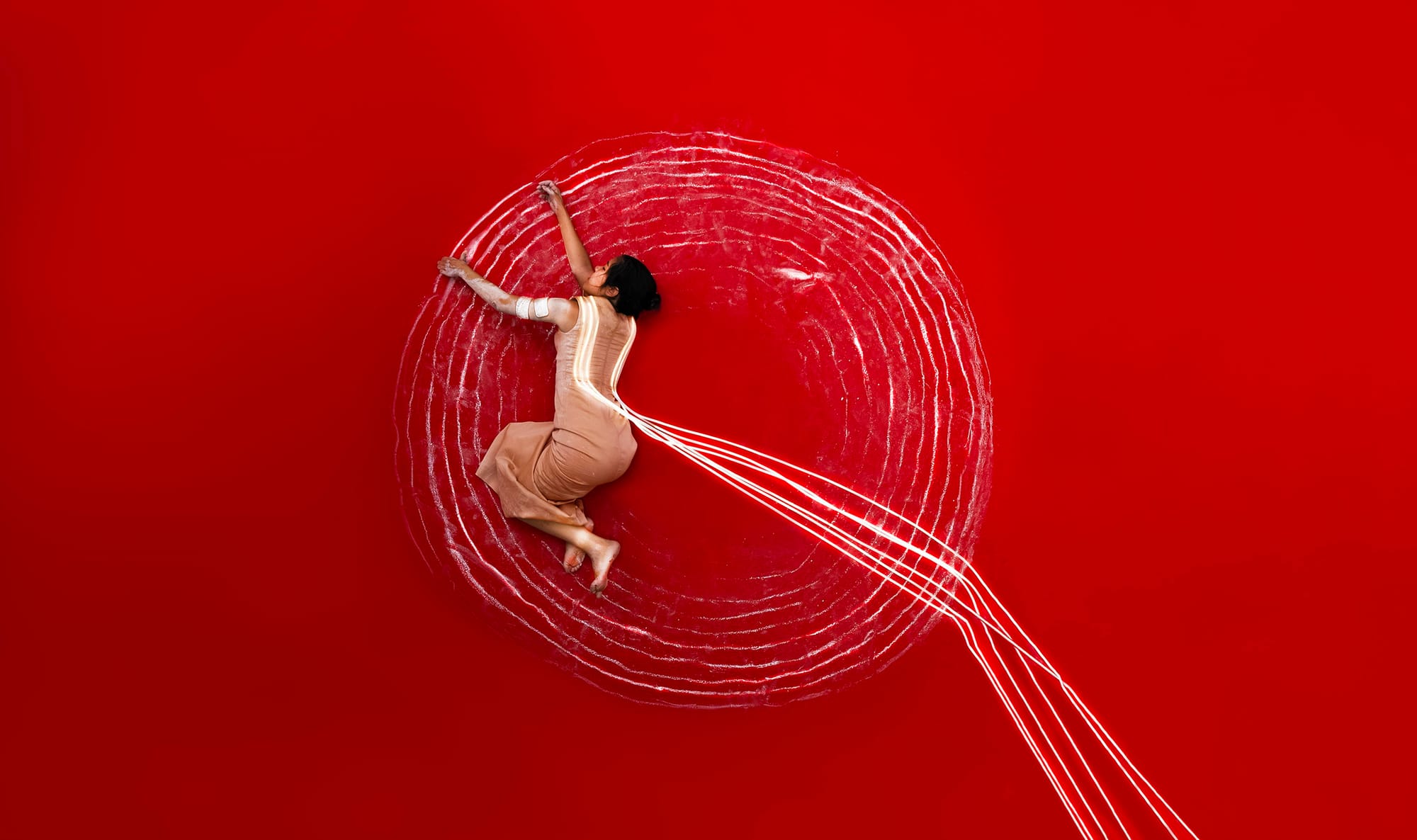
The 11th Asia Pacific Triennial of Contemporary Art (APT 11) spans more than 500 artworks by 70 multidisciplinary artists and collectives from West Asia to the Pacific. For the first time, APT 11 features artists from Uzbekistan, Timor-Leste, and Saudi Arabia, including a new floor-based installation by Dana Awartani. Monumental sculptures by Māori artist Brett Graham revisit the New Zealand Wars, while a new installation by Trương Công Tùng evokes the folklore of Vietnam’s Central Highlands. Co-curated projects include Sheelasha Rajbhandari and Hit Man Gurung’s “TAMBA,” which focuses on the crafts of Nepalese artists, activists, and Indigenous communities.
Yee I-Lann
Mansau-Ansau
Singapore Art Museum
Dec 4–Mar 23, 2025
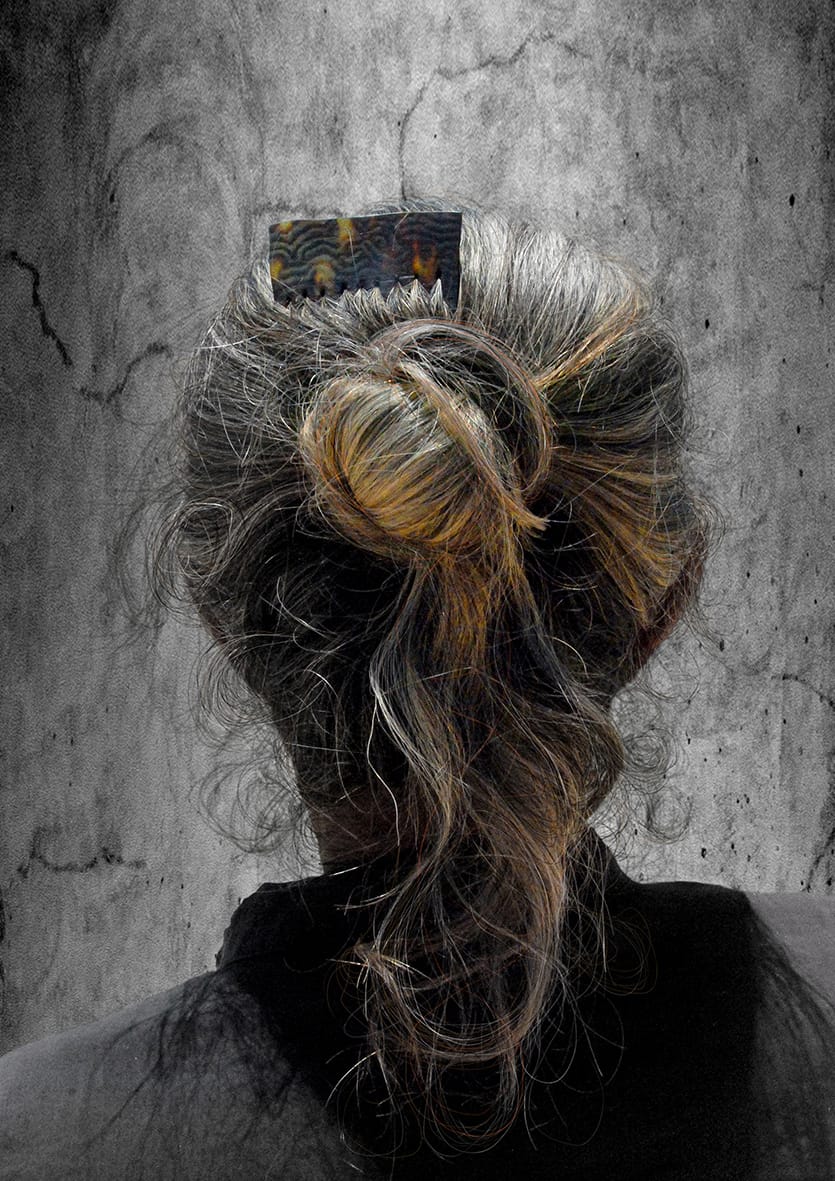
The phrase mansau-ansau in Dusun—the language of the Dusun and Kadazan natives of Sabah in northern Borneo—means to wander. Since 2018, artist Yee I-Lann, a native Sabahan, has collaborated with Dusun, Murut, and Bajau Sama Dilaut weavers to make tikar (woven mats) that manifest this idea in a method of weaving that holds no patterns but follows its own spontaneous rhythm. Yee’s survey brings together two decades of projects incorporating photo collage with silk, batik, and the natural materials of bamboo pus and pandanus, to reflect on issues of culture and power through the lens of Borneo’s Indigenous communities.