Issue
137 Previews: 60th Venice Biennale
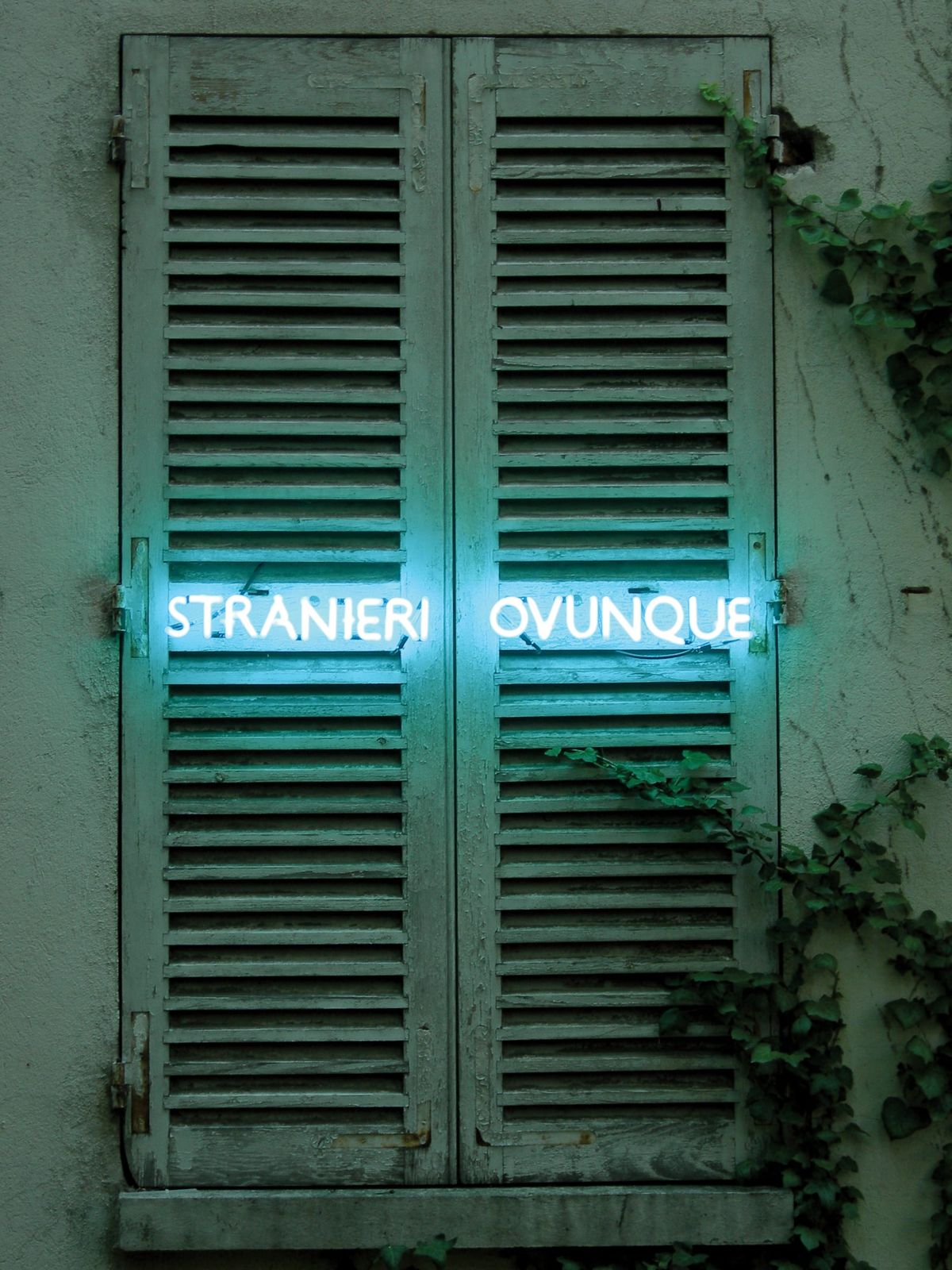
The impacts of climate change, regional conflicts, political instability, and economic hardship have fueled a planet of migration. Many societies of the Global North have struggled to balance societal changes and economic growth, leading to the elevation of far-right political movements in many countries, including Italy.
The curator of the Venice Biennale’s 60th edition, Adriano Pedrosa, is the first to hail from South America. He has chosen to reflect on the mixed cultural identities of artists who are themselves foreigners, immigrants, expatriates, diasporic, émigrés, exiled, and refugees—with a particular focus on those who have moved between the countries of the global North and South. The Biennale’s title comes from the Palermo-based collective Claire Fontaine’s neon sculptures of the phrase “foreigners everywhere” written in different languages, a series named after a Turin collective who fought racism and xenophobia in Italy in the early 2000s. Pedrosa explained the title reflects: “Firstly, that wherever you go and wherever you are you will always encounter foreigners—they/we are everywhere. Secondly, that no matter where you find yourself, you are always truly, and deep down inside, a foreigner.”
Featuring 332 artists and groups, “Stranieri Ovunque – Foreigners Everywhere” is not only a survey of itinerant artists, but of how difference is produced and enacted across subjectivities. The figure of the queer artist, for instance, defies categories of gender and sexuality, while outsider artists, Indigenous artists, and folk artists question the characteristics and categories of art-making. These figures Pedrosa plans to situate in the Nucleo Contemporaneo, along with the Disobedience Archive, a project about art and activism by Marco Scotini. In the Nucleo Storico, Pedro brings together works of global modernism from Latin America, Africa, the Arab world, and Asia, and is divided into chapters on abstraction and portraiture. An additional section focuses on the 20th-century Italian artistic diaspora.
The two Gold Lion recipients are Italian-born Brazilian artist Anna Maria Maiolino and Cairo-born Turkish artist Nıl Yalter, whose life stories are ones of migration. Yalter was born in Cairo in 1938 and moved to Paris in 1965 where she created conceptual works exploring social themes from a woman’s perspective, including on migration, sexual liberation, orientalism, and imprisonment. Maiolino was born in 1942 and left southern Italy for Venezuela in 1954, and then relocated to Brazil where she joined the New Figuration art movement.
Reflecting Venice’s long history of seafaring and marine trade, the Biennale is always a cosmopolitan meeting point, with 90 national pavilions and 30-plus collateral exhibitions from around the world. Strangers, foreigners, and travelers from almost everywhere will all converge for contemporary art’s biggest event. — HG Masters
Australia
Archie Moore
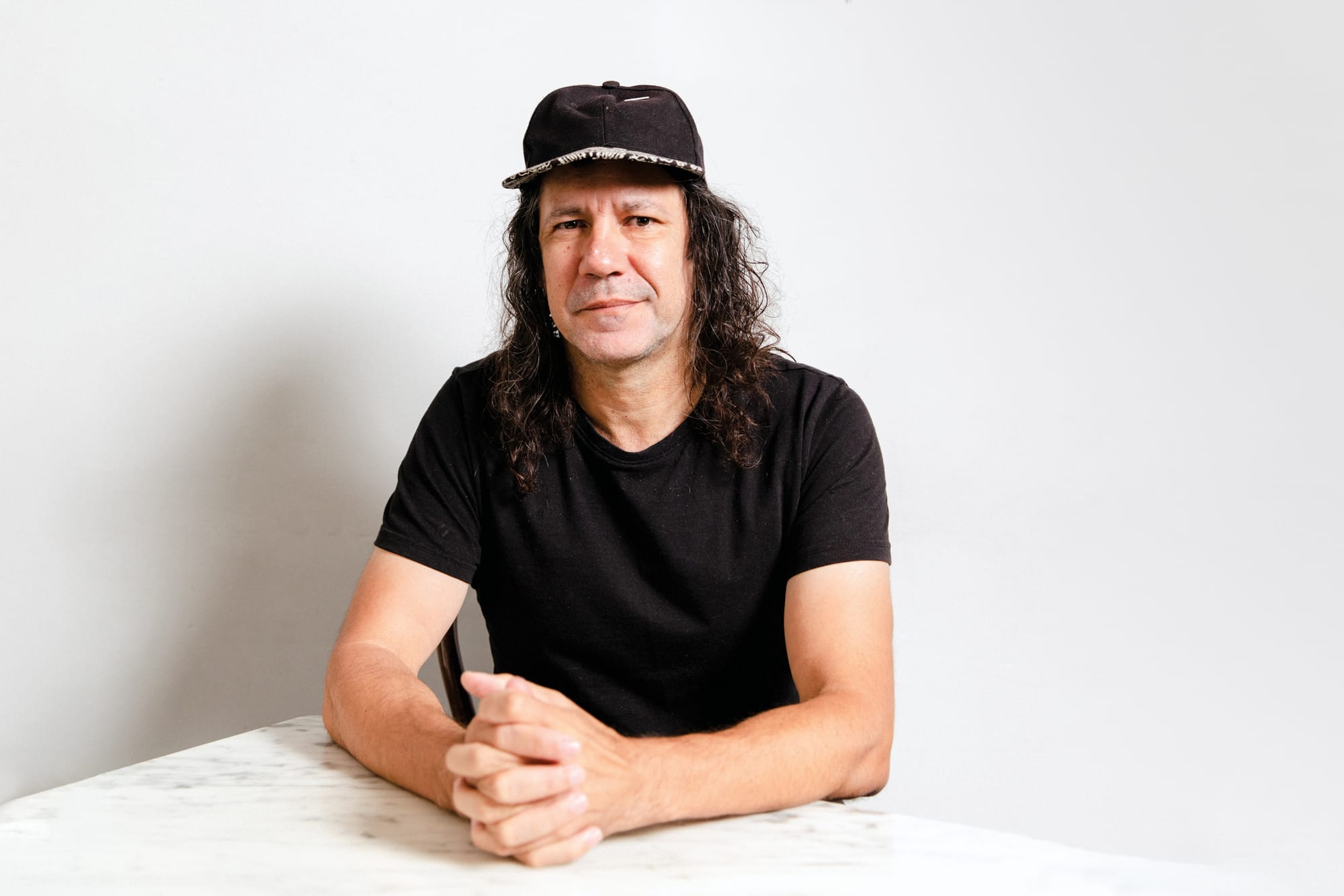
Born in Toowoomba, Queensland, Archie Moore explores key signifiers of identity, intercultural communication, and racism through his conceptual and research-based works that portray his personal and national history. With language a central element in Moore’s practice, in “kith and kin,” the artist traces his family’s Kamilaroi/Bigambul lineage that dates back more than 65,000 years. Curated by Ellie Buttrose, “kith and kin” explores the legacies of colonialization and the impacts that an incarceration epidemic has had on familial connections across Indigenous communities and marks the 25th anniversary of Australia’s presence in the Venice Biennale.
Korea
Koo Jeong A
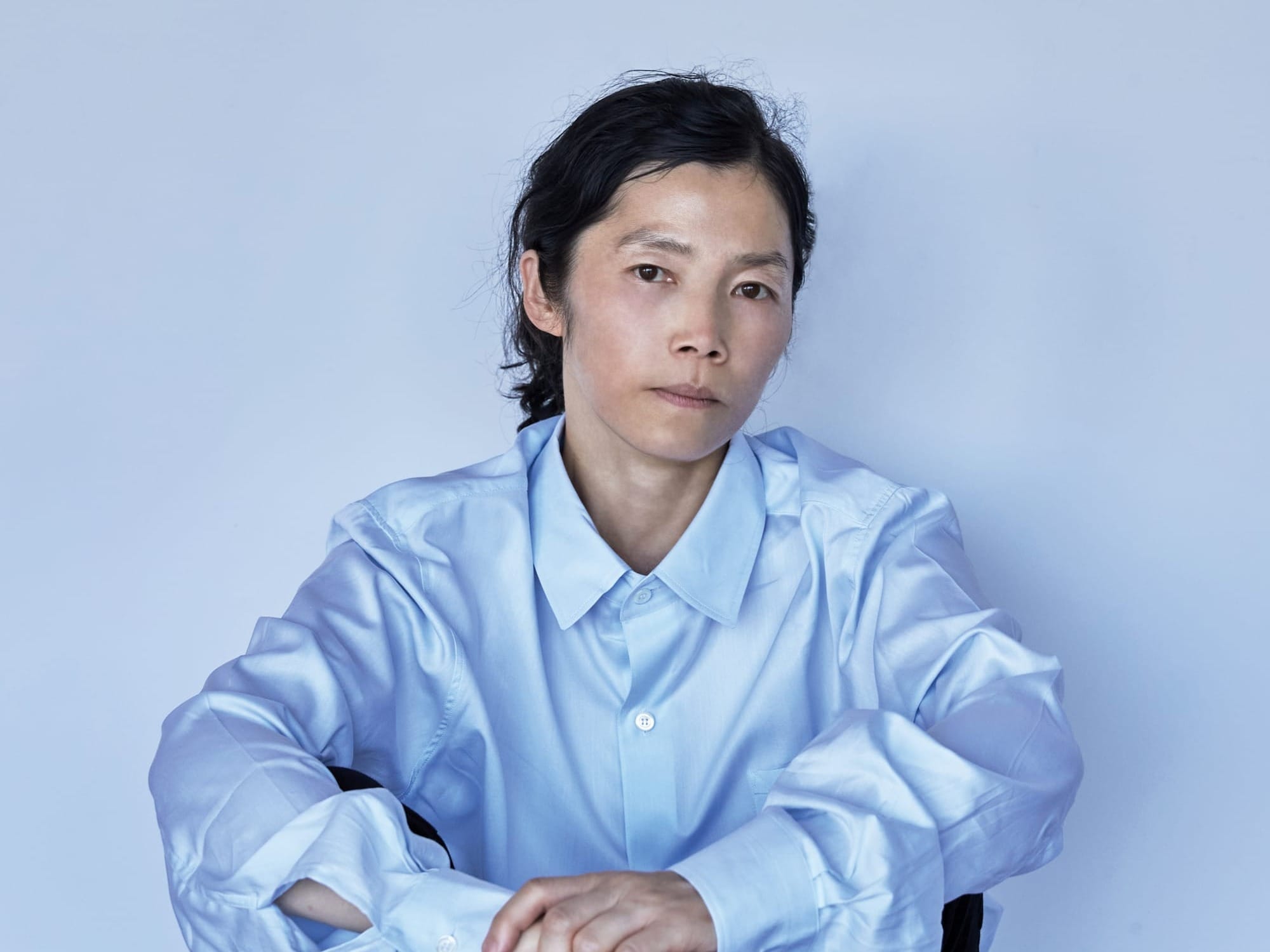
Known for their conceptual practice, Koo Jeong A has created a wide range of work, from glow-in-the-dark skateboard parks and paintings to animations and sound and scent-works that explore inter-conscious phenomena, digital presences, and ephemeral imaginaries. For the cylindrical steel-and-glass architecture of the Korea Pavilion, Koo has conceived an exhibition that takes visitors on a “Korean scent journey,” involving 17 different scent experiences based on an open call that elicited more than 600 written statements recollecting smells from across the country. Titled “Odorama Cities,” and co-curated by Jacob Fabricius, director of Art Hub Copenhagen, and Lee Seolhui, curator at Kunsthal Aarhus, the pavilion offers an alternative map of Korea’s various regions and cities through an immersive olfactory installation that engages the senses.
Saudi Arabia
Manal AlDowayan
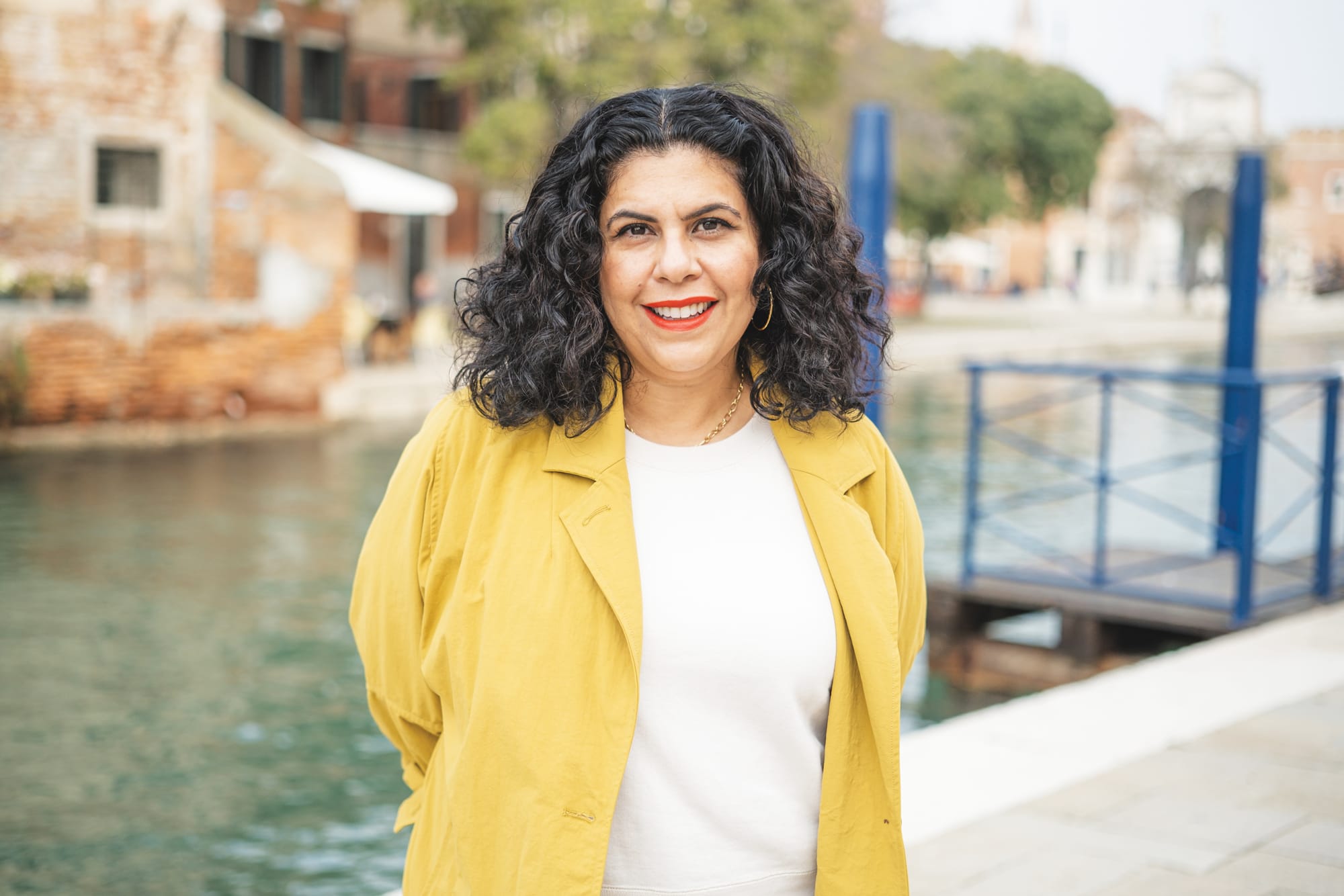
Manal AlDowayan’s decades-long practice interrogates ancient traditions, collective memories, and women’s representation in Saudi society. Titled “Shifting Sands: A Battle Song,” the Saudi Arabia Pavilion showcases AlDowayan’s collaborative project involving hundreds of women. Since January, AlDowayan has organized workshops in three different cities across the country including Alkhobar, Jeddah, and Riyadh, to create artworks with women from all ages and backgrounds. These workshops follow the form of AlDowayan’s collective art-making, which she has been leading since 2012 at the Fatat Al-Khaleej, an organization that has provided safe harbor for vulnerable Saudi women and orphans in the Eastern Province.
Taipei
Yuan Goang-Ming
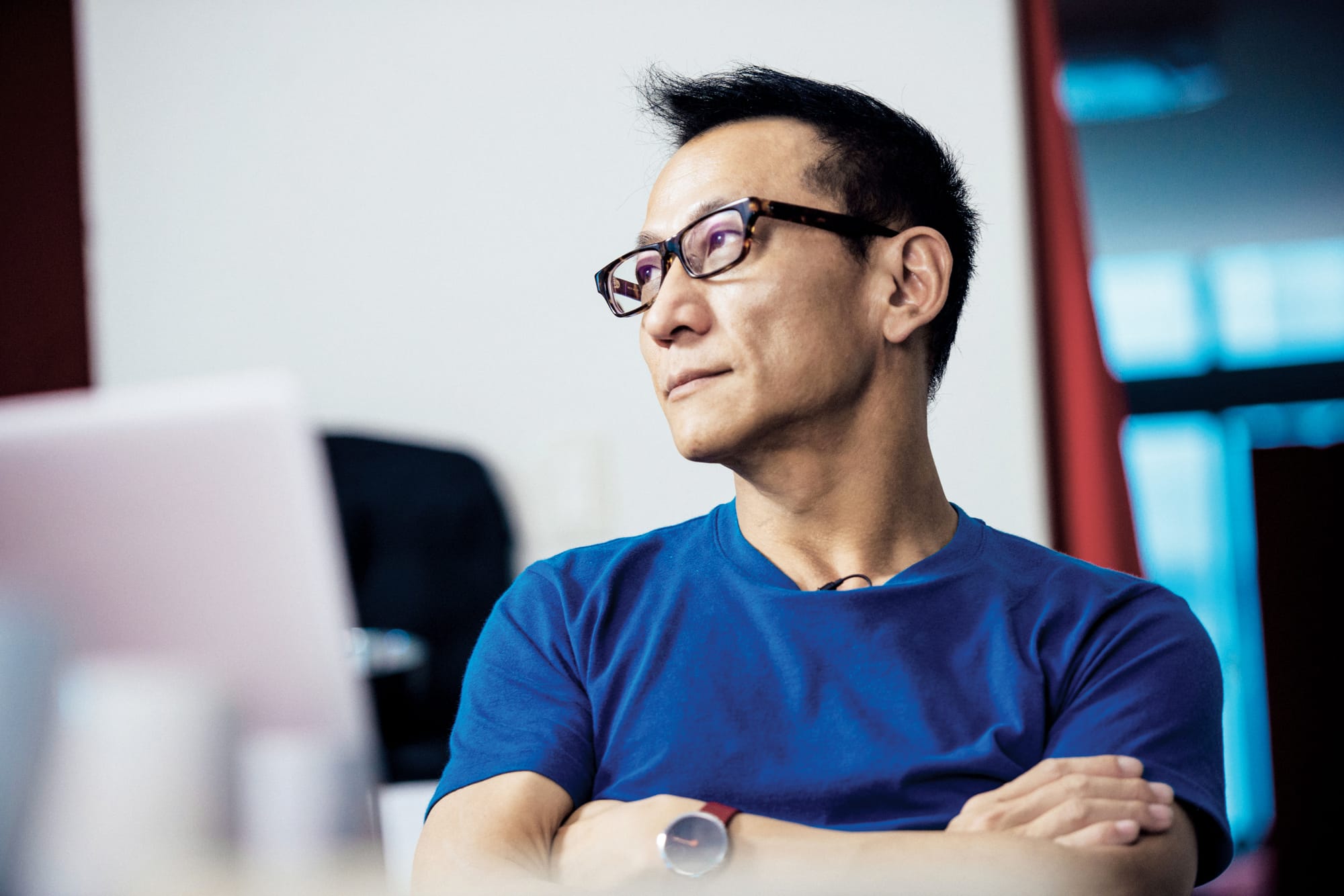
Taiwanese artist Yuan Goang-Ming’s solo exhibition in Venice, organized by the Taipei Fine Arts Museum and titled “Everyday War,” will feature six works, including videos and installations, two of which are new. Curated by Abby Chen, these works will showcase Yuan’s established practice in moving image. In Dwelling (2014) and Everyday Maneuver (2018), Yuan began an interrogation of the island’s precarious situation in videos that immerse viewers by playing with perception and the nature of existential fear. In the newly commissioned video Everyday War (2024), Yuan simulates a life-size living room being destroyed by bombs in scenes eerily reminiscent of recent conflicts.
Türkiye
Gülsün Karamustafa
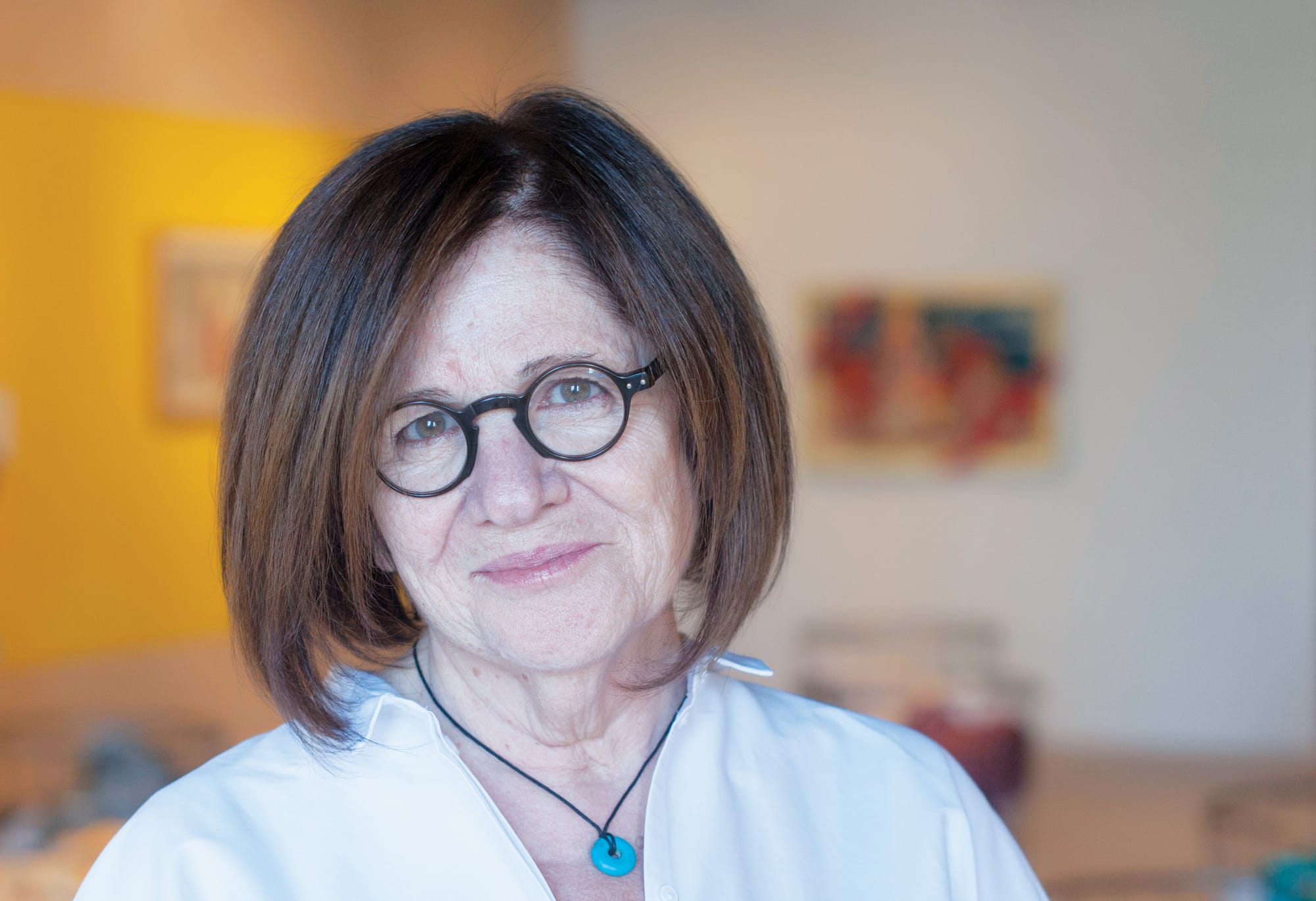
Turkish artist Gülsün Karamustafa is known for her half-a-century-long engagement with sociopolitical issues in Turkey, including the experiences of internal migrants, women, and minority communities. For the Türkiye Pavilion, “Hollow and Broken: A State of the World,” Karamustafa presents interconnected sculptural works composed from found materials that refer to the vernacular aesthetics found in communities across the country. The project invites the viewers to reflect on the world’s current state of tumult and the issues threatening humanity, as Karamustafa draws from personal and historical narratives with a focus on themes of migration and exile, ethnicity, and gender.
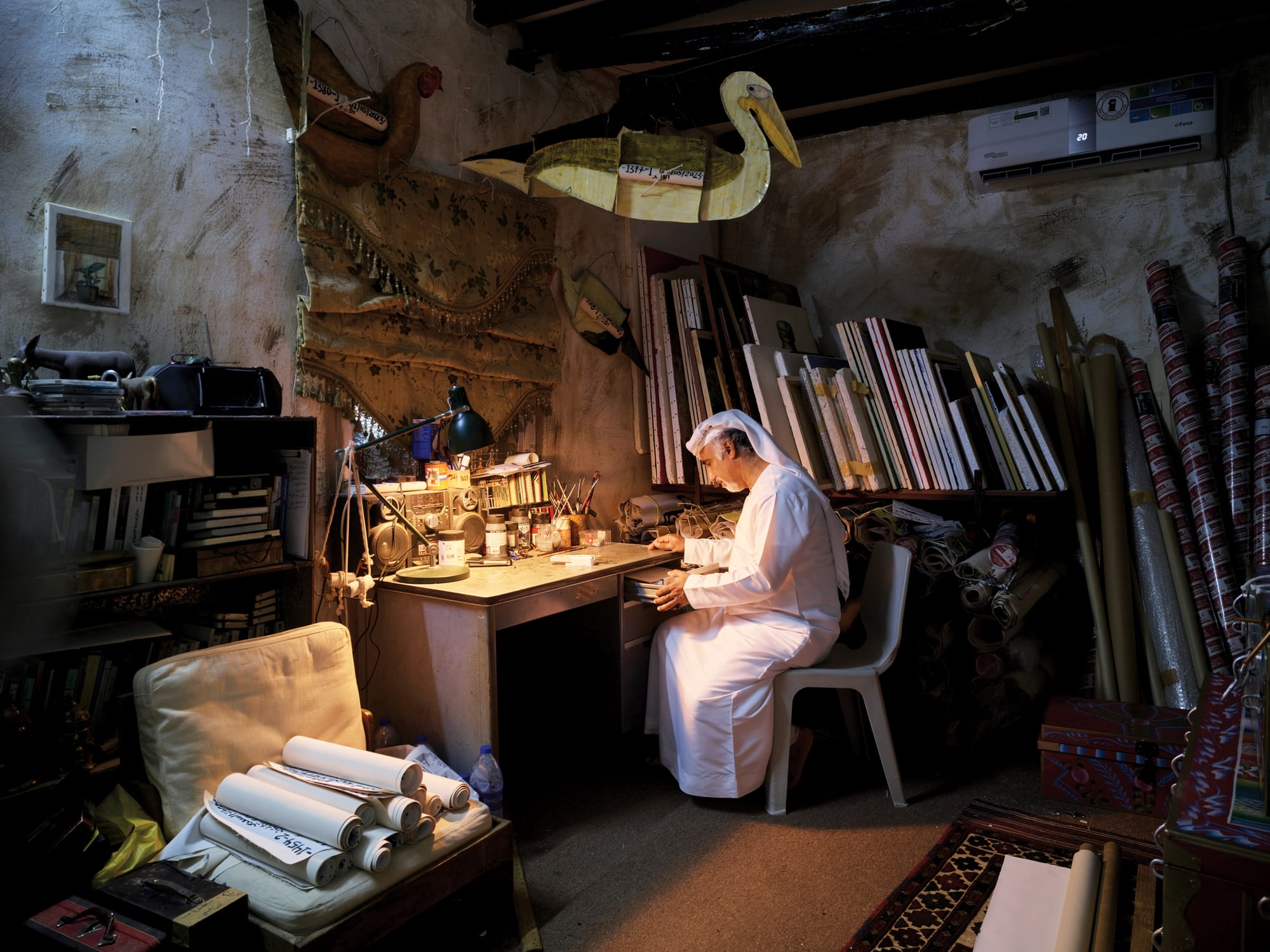
Based in the eastern Emirates city of Khor Fakkan, Abdullah Al Saadi creates artworks that range from painting and drawing to artists’ notebooks and collections of found objects. His artistic practice is informed by a great affinity with nature and the rural life of his local environment as well as the intersections of personal and cultural history. Curated by Tarek Abou El Fetouh, “Sites of Memory, Sites of Amnesia” at the UAE Pavilion features eight artworks highlighting his artistic practice as it relates to Arab poetry from centuries ago. Performers in the space reveal artworks hidden in metal chests in a re-enactment of the artist’s ritual with visitors in his studio.