Issue
London: One Thousand Cuts
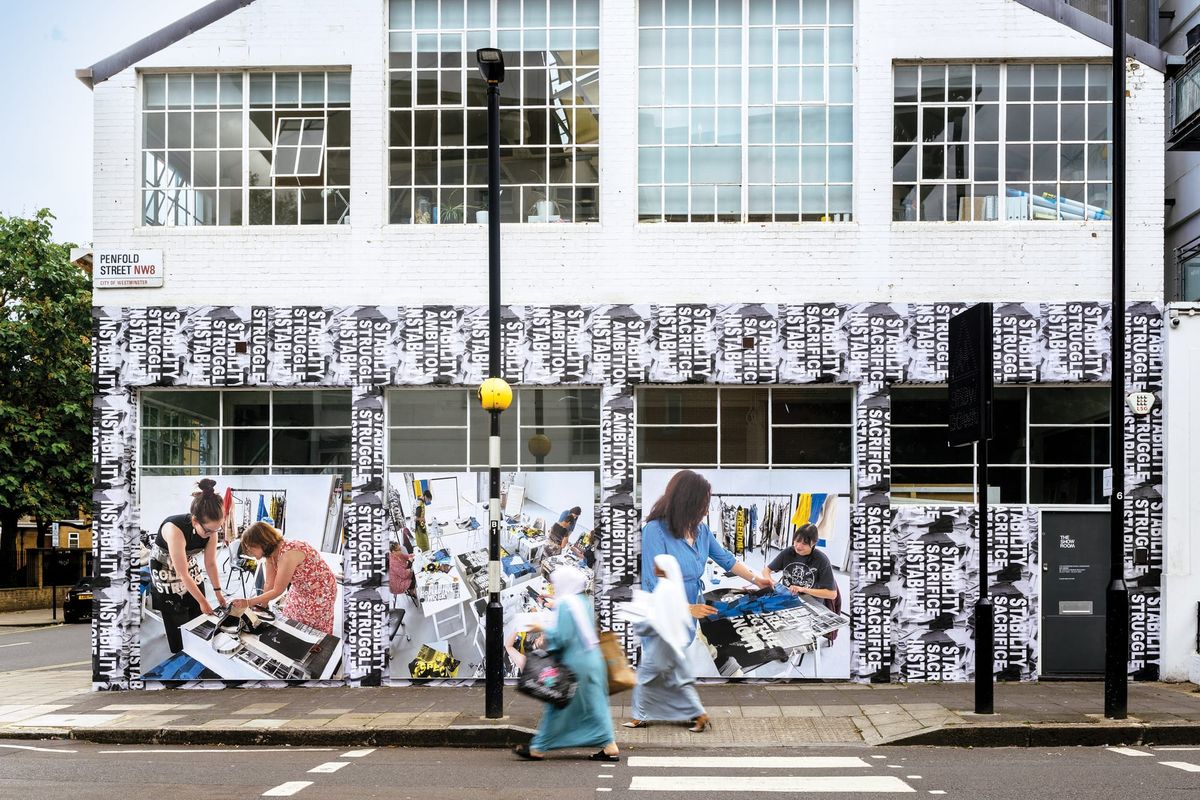
Austerity is a policy that seeps into your skin and mushrooms in your flesh and bones. It tenses the muscles in your rib cage and drives schisms between your actions and your values. As a Londoner of one year, I now embody these conditions, like so many of the capital’s artists, art workers, and institutions large and small who are facing soaring living costs and severe public-funding cuts.
Among those whose funding support was slashed by the Arts Council England in November 2022 was the Whitechapel Gallery. In mid-March, just six months after newly appointed director Gilane Tawadros took the reins, the gallery fired six of its employees, including chief curator Lydia Yee, citing sizable budget deficits over the past two years. The priority is to survive, Tawadros made clear; here it was the axed employees who had to bear the costs of the platform’s immediate needs. Months later, the gallery announced that it had clinched grants from the Ford Foundation and Freelands Foundation, renewing hope for its mission of creating “new possibilities for thinking, feeling and dreaming.” As the Whitechapel case suggests, closing the rift between ambitions and balance sheets, theory, and practice is a utopian pursuit, and one that will see sacrifices.